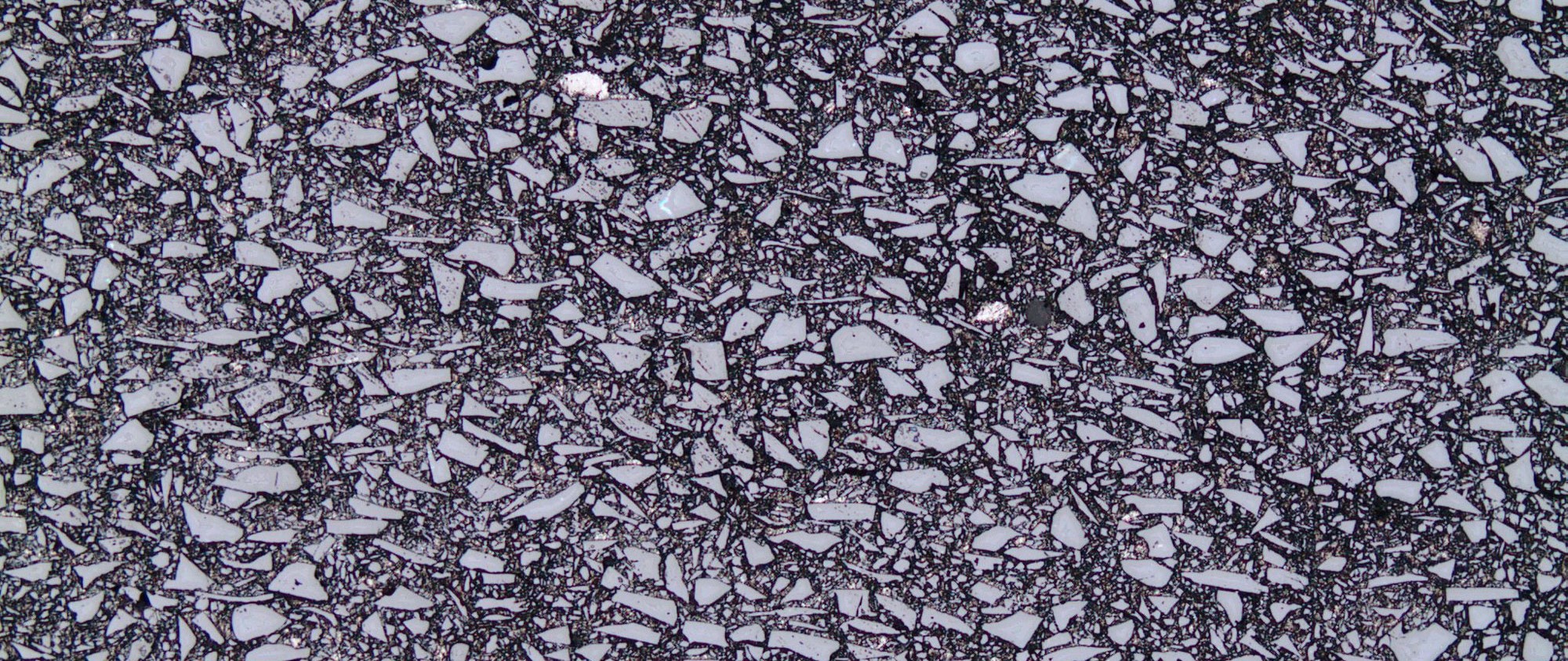
For decades, copper-tungsten (CuW) composites have been a trusted solution for electronic packaging applications requiring high thermal conductivity and controlled coefficients of thermal expansion (CTE). From aerospace electronics to power semiconductors and RF packages, CuW has earned its reputation as a high-performance material.
But today’s market conditions are forcing engineers and procurement teams to revisit a critical question:
Does CuW still make economic sense?
With tungsten prices reaching record highs and supply chains under increasing geopolitical pressure, many manufacturers are reevaluating their material selections and discovering that CPS Technologies’ AlSiC-9 offers compelling advantages.
The New Reality of Tungsten Supply
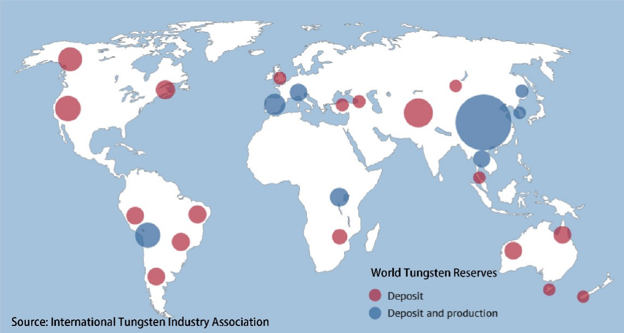
Tungsten has become one of the world’s most strategically important materials. Supply constraints, export controls, and growing demand from defense, aerospace, and semiconductor markets have caused prices to surge dramatically over the past two years. China, which controls approximately 80% of global tungsten production, has tightened exports, creating unprecedented volatility throughout the supply chain. Recent market reports indicate tungsten prices have reached record levels, with some tungsten products increasing several-fold since early 2025.
For manufacturers relying on CuW, the consequences are significant:
- Higher raw material costs
- Greater pricing volatility
- Longer lead times
- Increased supply chain risk
- Difficulty forecasting long-term product costs
The result is a growing need for alternatives that can deliver comparable performance without the economic exposure to tungsten.
Enter AlSiC-9
AlSiC-9 is a metal matrix composite consisting of an aluminum matrix reinforced with silicon carbide particles. Originally developed for demanding electronic packaging applications, AlSiC-9 provides an attractive combination of thermal performance, dimensional stability, and manufacturability.
When compared with CuW, AlSiC-9 delivers several key advantages.
1. Significantly Lower Material Cost

The most immediate advantage is economic.
Unlike CuW, AlSiC-9 contains no tungsten. As tungsten prices continue to experience extreme volatility, the cost differential between the two materials has widened considerably. Organizations that specify AlSiC-9 can substantially reduce their exposure to critical mineral pricing and achieve more stable long-term cost structures.
In today’s market environment, material selection has become both an engineering decision and a supply chain strategy.
2. Lower Density Means Lighter Assemblies
Weight matters in nearly every advanced electronics application.
At approximately one-third the density of many CuW grades, AlSiC-9 enables meaningful weight reduction without sacrificing thermal performance. This makes it particularly attractive for:
- Aerospace and defense electronics
- Satellite systems
- Avionics
- Portable power electronics
- Weight-sensitive industrial applications
Reducing package weight can lower system-level costs and improve overall performance.
3. Excellent Thermal Management Performance

Thermal conductivity remains a primary requirement in high-power electronic packages.
AlSiC-9 provides high thermal conductivity while maintaining a controlled coefficient of thermal expansion that closely matches many semiconductor materials. This combination helps:
- Improve heat dissipation
- Reduce thermally induced stresses
- Increase reliability during thermal cycling
- Enable higher power densities
For many applications, AlSiC-9 provides the thermal performance required without the cost penalties associated with tungsten-based materials.
4. Better Supply Chain Resilience
Critical mineral supply chains have become increasingly unpredictable.
Because AlSiC-9 does not depend on tungsten, organizations can significantly reduce their exposure to:
- Geopolitical disruptions
- Export restrictions
- Price spikes
- Long procurement lead times
- Single-region supply dependencies
This resilience has become particularly important in defense, aerospace, and semiconductor industries where supply continuity is essential.
Looking Beyond Material Properties
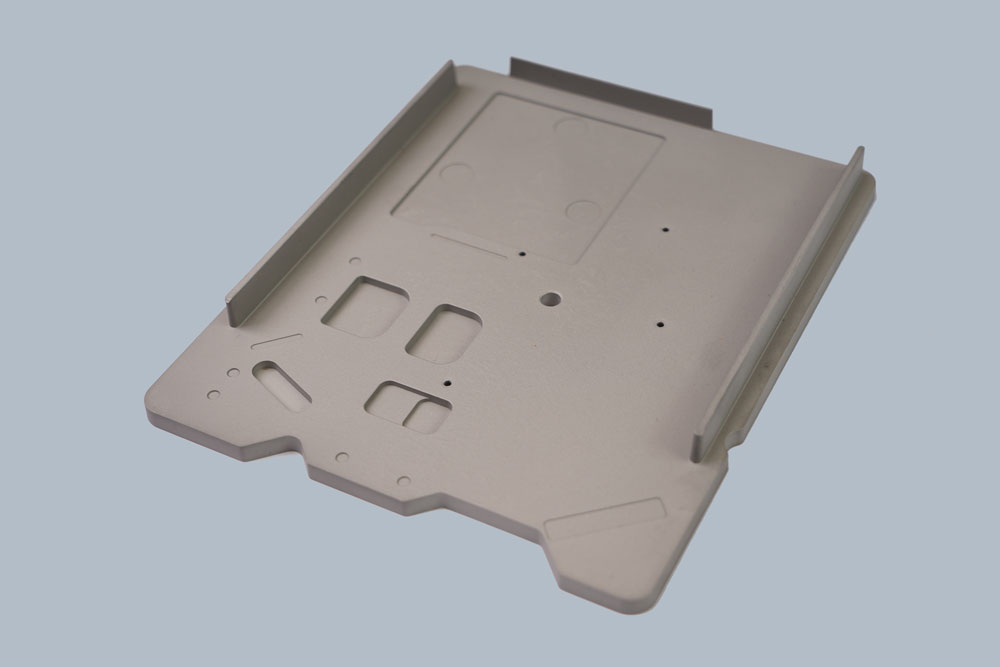

Historically, engineers selected CuW because it represented the best available balance of thermal performance and expansion control.
Today, however, the decision matrix has changed.
Material selection now requires balancing:
- Thermal performance
- Mechanical reliability
- Weight
- Cost stability
- Supply chain security
- Long-term availability
For many applications, AlSiC-9 offers a compelling answer across all of these dimensions.
Global Innovation at CPS Technologies
Ready to discuss your MMC design needs?
CPS offers a suite of innovative solutions to give clients complete peace of mind in their solution. With our state-of-the-art AlSiC composite, proprietary machining processes, and time-tested expertise, we’ll show you why CPS is a trusted partner in the industry.
A Material Choice Built for the Future
As tungsten markets remain constrained and increasingly volatile, manufacturers are being challenged to find materials that deliver both technical performance and economic sustainability.
AlSiC-9 was designed to solve demanding thermal management problems. In today’s environment, it also provides something equally valuable: insulation from one of the world’s most volatile critical material markets.
For organizations seeking to reduce cost, minimize supply risk, and improve system-level performance, the question is no longer whether AlSiC-9 can replace CuW.
Increasingly, the question is why continue specifying CuW at all.